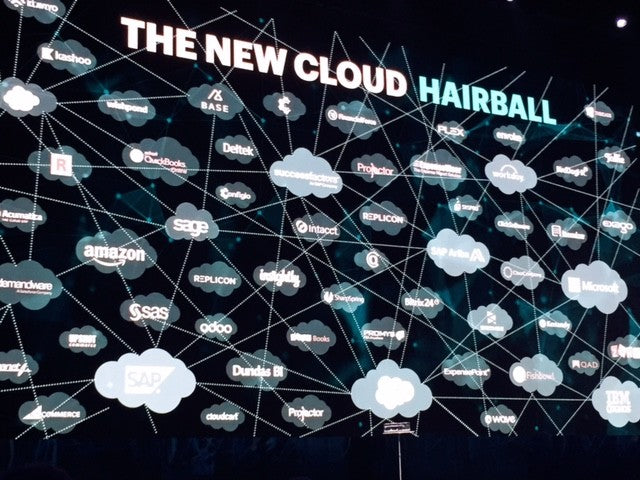
Cloud Hairballs & Technical Debt – The Dirty Little Secret that's Killing Retailers
TECHNICAL DEBT: While you’ll never see it directly on an income statement, it may be the biggest driver of revenue there is for mid-market and enterprise software companies. It’s often the primary reason companies move to the cloud, but ironically, it follows most all the same. It can grow even larger as the promise of going from silos to a single system of truth involves IAAS (Integration as a Service) subscriptions, system integrators, business process engineering and all that’s supposed to be easier to do because it’s in the cloud. Unfortunately, your new hairball in the cloud is not better or cheaper (or easier), even if the upfront costs and subscriptions seem to say so.
One example that we compete with daily at SuiteRetail is: Integrate NetSuite (or Salesforce) with your POS of choice. Take a high value (“free” or low-cost) solution like Shopify or Lightspeed POS, subscribe to a leading IAAS provider, and avoid the premium costs of a native, turnkey POS add-on like ours. For large retailers, this can look like a tremendous value – but that’s just on paper.
Here’s how it turns out, and this is probably the top IAAS company in the NetSuite space. A good shop allegedly (i.e. low cost and well known), but no way they can take an alien POS, seamlessly meet the needs of the merchant and deliver. What’s quoted at less than half the cost of our subscription, is just money thrown out the window.

This retailer is lucky they aren’t going live – because technical debt grows every year you make do with non-native integrations. When this happens, the biggest beneficiary is not the IAAS provider, it’s the ERP platform itself. While the retailer will continue to struggle with extreme maintenance costs and disruptions, the budget was met, the platform won and generally works well in the back-office and for native CRM/ERP functions, even while the integrations to it don’t. Very sticky stuff.
Had they chosen a native-add on like SuitePOS for NetSuite, they would've been up and running in a fraction of the time, with virtually no risk and perfected back-office integration on day-one.
The bottom-line: Don’t be fooled. Avoid technical debt, buy native “built-for” add-ons for the platforms you choose. Get up and running quickly, with much less risk, much higher value, and significantly lower long-term hard and soft costs.